How Do You Sell a Home During a Divorce in Lodi?
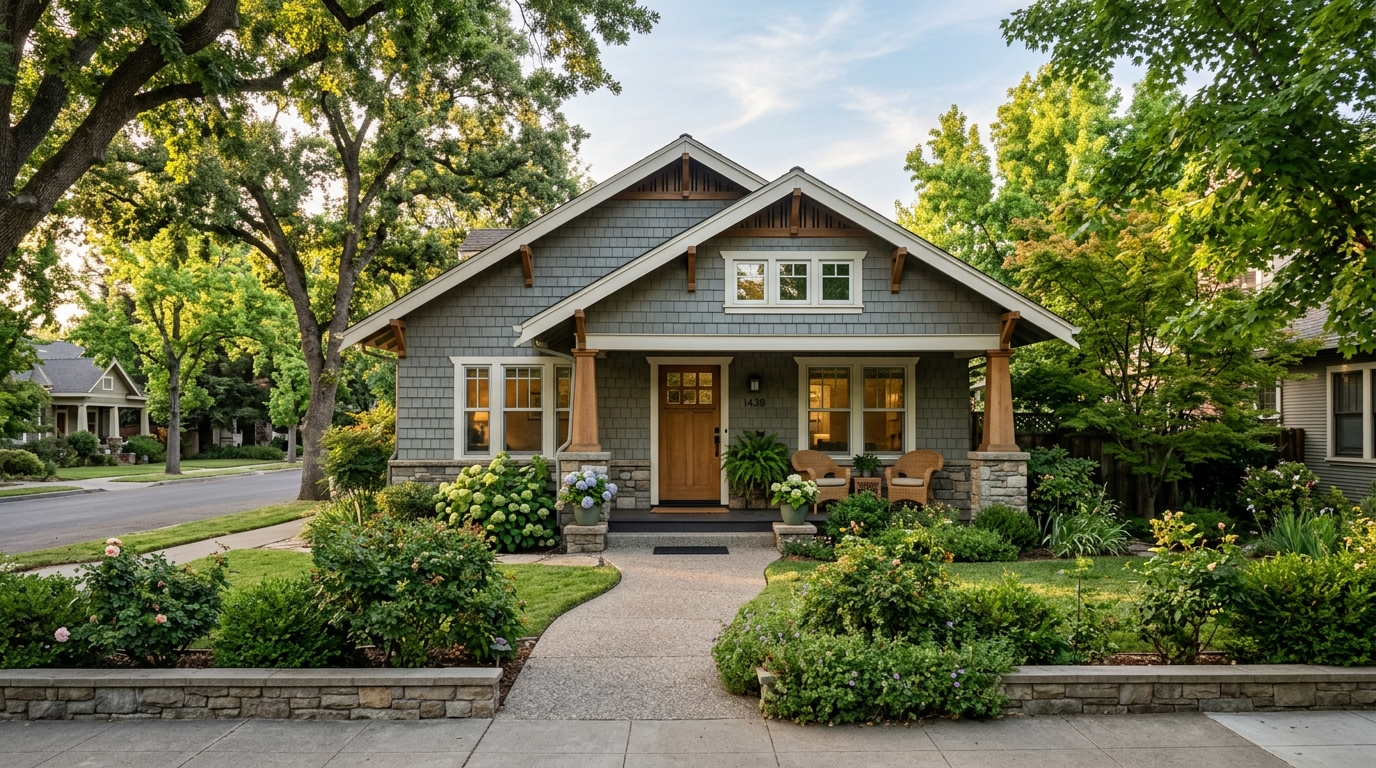
Selling a home during a divorce in Lodi generally means agreeing on a listing agent, a price strategy, and how proceeds will be split, ideally in writing before the home ever hits the market, and REALTOR® Jeremiah Patterson works to keep the process neutral, efficient, and focused on getting both parties to closing with minimal friction.
TL;DR: Most divorcing couples selling a shared home need to agree on an agent, a listing price, and a proceeds split, often as part of a settlement agreement or court order. A neutral, experienced agent helps keep decisions practical rather than emotional. Legal terms of the sale should be confirmed with a family law attorney; this article covers the real estate side only.
Why Does Selling During a Divorce Require a Different Approach?
A home sale during a divorce has all the usual steps, pricing, prep, marketing, negotiating, closing, plus an added layer: two decision-makers who may not currently agree on much. The real estate side works best when the agent stays neutral, communicates equally with both parties, and keeps decisions grounded in market facts rather than personal disagreements. Legal questions about how proceeds are divided or what the settlement requires should go to a family law attorney, not the real estate agent.
It also helps to separate the emotional weight of the situation from the practical mechanics of the sale itself. The house may carry years of memories, but from a market standpoint, buyers evaluate it the same way they'd evaluate any other Lodi listing: condition, location, and price relative to comparable homes. Keeping that distinction clear, this is a transaction, handled professionally, tends to reduce the number of decisions that get tangled up in the broader emotions of the divorce.
How Does the Process Work, Step by Step?
- Confirm the legal framework first. Before listing, both parties should understand what any settlement agreement, mediation outcome, or court order says about the sale and proceeds. Confirm this with a family law attorney.
- Agree on a single agent. Using one neutral agent, rather than two competing agents, usually keeps the process simpler and avoids conflicting advice.
- Get a professional valuation. An objective, data-based market evaluation removes guesswork and emotion from the pricing conversation.
- Agree on a pricing and timeline strategy. Both parties should sign off on the list price and general timeline in writing before marketing begins.
- Handle prep and showings practically. Decide together who's responsible for cleanup, minor repairs, and coordinating access for showings.
- Review offers jointly. Both parties typically need to approve accepted offers and major decisions during escrow.
- Close and disburse proceeds per the agreement. Escrow disburses funds according to the settlement terms or court order, confirmed with your attorneys.
Who Decides What During the Sale?
In most cases, both spouses need to agree on the list price, any counteroffers, and the accepted offer, unless a court order or settlement gives one party decision-making authority. This is exactly where a neutral agent earns their keep: presenting market data and options clearly to both sides, rather than advocating for one over the other.
What If One Spouse Wants to Sell and the Other Doesn't?
This is common, and it's a legal question as much as a real estate one. Courts can, in some circumstances, order a sale as part of the divorce proceedings. If you're at this stage, a family law attorney can explain your options; a real estate agent can help once there's agreement or a court directive to move forward.
How Do You Handle Living in the Home During the Sale?
Many divorcing couples are still living together, or one spouse has moved out, while the home is being marketed, and this can add its own logistical wrinkles. If both parties are still in the home, coordinating showing schedules and keeping the property presentable becomes a shared responsibility that's worth spelling out clearly rather than leaving to assumption. If one spouse has already moved out, the remaining spouse often takes the lead on day-to-day showing logistics, though major decisions, price changes, offer acceptance, should still involve both parties as agreed. Either way, setting clear expectations upfront, ideally in writing, avoids a lot of friction once the home is actively being shown.
How Do You Choose the Right Agent for a Divorce Sale?
Not every agent handles divorce sales the same way, and it's worth looking for someone specifically comfortable navigating two clients with potentially different priorities. A good fit generally means an agent who communicates transparently with both parties at the same time (rather than separately, which can breed suspicion), who presents information and options neutrally rather than pushing either party toward a particular decision, and who has experience keeping transactions moving even when the parties involved are going through a difficult personal chapter. Some couples ask their attorneys for a referral; others choose an agent independently and confirm with their attorneys that the choice works for their situation. Either way, a brief initial conversation with a prospective agent, ideally with both parties present, is often the clearest way to gauge whether their approach and communication style will work for your specific circumstances.
Common Mistakes to Avoid
Using two competing agents. This tends to create conflicting pricing advice and slows everything down. One neutral agent usually serves both parties better.
Skipping the legal framework before listing. Listing before proceeds, timing, and decision authority are settled can lead to disputes mid-transaction. Confirm the framework with attorneys first.
Letting emotion drive pricing. An objective, data-driven valuation avoids the common trap of pricing too high (to avoid feeling like "losing") or too low (to speed things up at any cost).
Not documenting agreements in writing. Verbal understandings about price, repairs, or timeline can fall apart. Put agreements in writing, ideally reviewed by each party's attorney.
Delaying necessary repairs or prep because of disagreement. Stalling on decisions costs time and money. A neutral agent can often break logjams with market-based recommendations both sides can accept.
What This Looks Like in Real Life
One common situation is a couple who agrees early to use a single, neutral agent and simply wants the process handled efficiently so they can both move forward. The agent provides a clear valuation, both parties sign off on price and timeline, and the sale proceeds like any other listing, professional, fast, and low-drama. Another common scenario involves more disagreement over price or timing; here, presenting objective market data and comparable sales, rather than opinions, tends to move things toward agreement faster than either party arguing their case alone. A third common situation involves one spouse remaining in the home through the listing period while the other has already relocated; clear written agreements about showing access and decision-making keep that arrangement running smoothly.
Frequently Asked Questions
Do we need to agree on one real estate agent during a divorce?
It's generally the smoother path. Using a single neutral agent avoids conflicting pricing advice and keeps communication consistent. Some settlement agreements or attorneys will specifically recommend or require this approach.
Can a house be sold during divorce proceedings before the divorce is final?
In many cases, yes, particularly if both parties agree or a court authorizes it. The exact legal requirements depend on your specific proceedings, so confirm with a family law attorney before listing.
How is the sale price decided when both spouses are involved?
Ideally through a professional, data-based market evaluation that both parties review and agree to, rather than either spouse's individual opinion of value. This keeps the pricing conversation objective and reduces conflict.
What happens to the proceeds after closing?
Proceeds are disbursed by escrow according to the settlement agreement or court order governing the divorce. This is a legal matter; confirm the specific split and process with your family law attorney before closing.
Can one spouse block the sale of a shared Lodi home?
It depends on ownership structure, any settlement terms, and whether a court has weighed in. This is a legal question outside real estate; a family law attorney can explain your specific options.
What if we can't agree on a list price?
An objective market evaluation, based on recent comparable Lodi sales, is often the most effective tiebreaker, since it grounds the conversation in data rather than either party's personal opinion. If disagreement persists, that becomes a matter for your attorneys or mediator to help resolve.
Ready to Sell a Shared Lodi Home?
Concrete first steps: confirm the legal framework for the sale with a family law attorney, get a neutral home evaluation both parties can rely on, and reach out to discuss a straightforward, low-drama process for listing.
Jeremiah Patterson is a REALTOR® and Vice President at Cornerstone Real Estate Group (CA DRE #02017640), with 220+ closed transactions and more than $87 million in San Joaquin County sales since 2016. His listings sell in a median of 13 days, with 55% under contract within 14 days, and he holds a 5.0 rating across 180 verified reviews (RateMyAgent 72, Realtor.com 61, Google 32, Yelp 15). He's a Move-Up Specialist and works with out-of-state, remote, and inherited/estate sellers as well as first-time buyers across Lodi, Stockton, Woodbridge, Acampo, and San Joaquin County. He was named RateMyAgent County Top 5 for San Joaquin County five consecutive years (2022, 2026) and is a Lifetime Member of the Lodi Association of REALTORS® Masters Club. Reach him at (209) 329-7238 or jeremiah@sellingsanjoaquin.com.
Start with the Lodi real estate hub, review what it costs to sell a house in Lodi, and check the guide on selling your house quickly in Lodi. When both parties are ready, reach out to get started.
Jeremiah Patterson Cornerstone Real Estate Group 224 W Pine St, Lodi, CA 95240 Phone (209) 329-7238 Email jeremiah@sellingsanjoaquin.com CA DRE #02017640 · Brokerage DRE #01037761 Practicing since 2016
Categories
Recent Posts








GET MORE INFORMATION