Buying a Home in Woodbridge: Lot Sizes, Home Styles, and What to Expect
Buying in Woodbridge is not quite like buying anywhere else in the Lodi area. The homes are more varied, the lots are less predictable, and a meaningful share of properties come with infrastructure you own and maintain yourself. None of that is a problem. It just means the questions you ask during a showing are different from the ones you would ask in a subdivision.
Here is what to actually expect.
Lot sizes vary more than the listings suggest
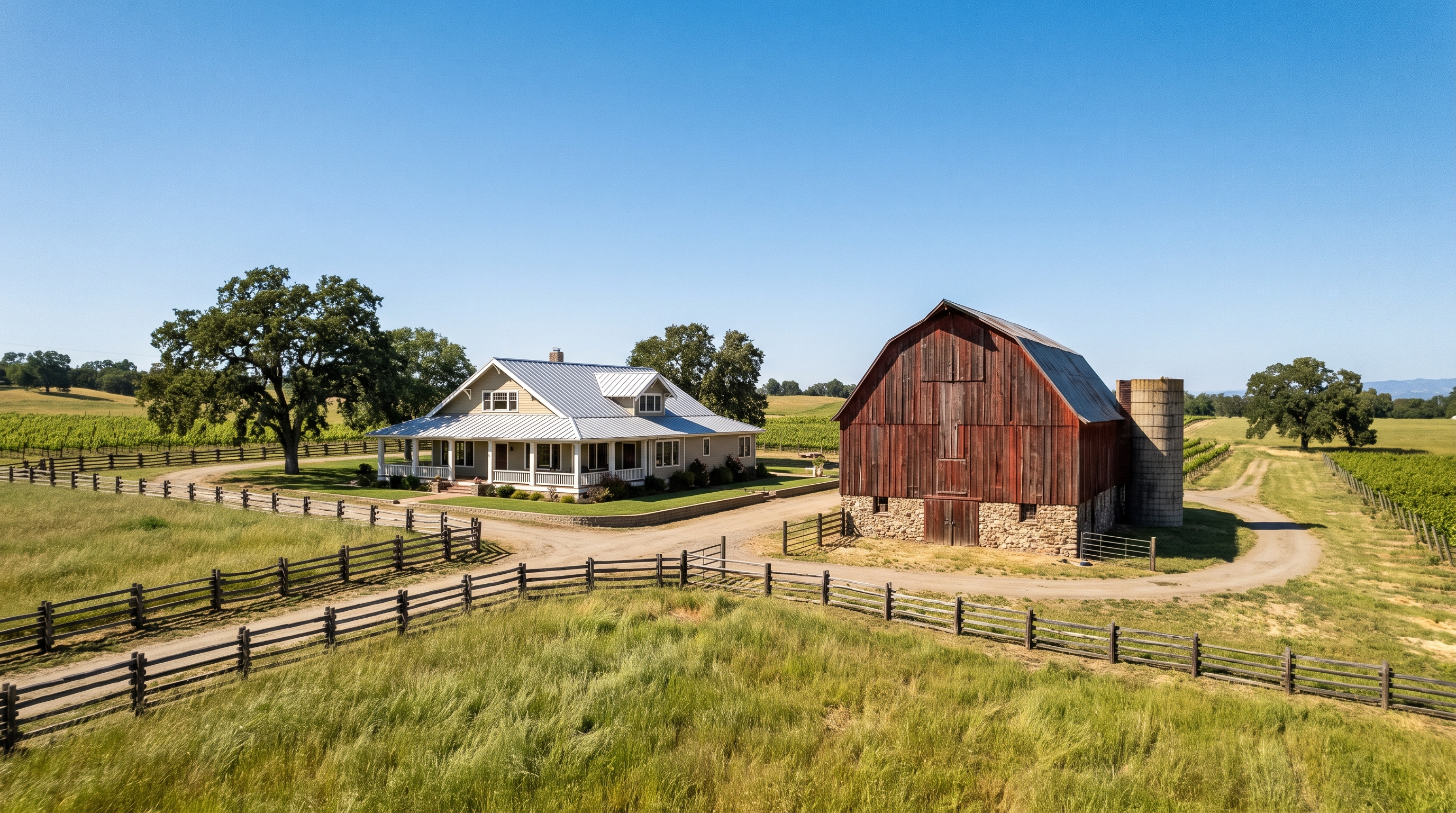
The single biggest difference from a planned neighborhood is that there is no standard lot. Woodbridge parcels range from ordinary residential lots to properties with real acreage attached, and two homes on the same road can sit on very different amounts of land.
That variability is why buyers get surprised in both directions. A home that looks modest in photos may come with room for a shop, a garden, and parking for a boat and an RV. Another that looks expansive may have most of its acreage in a shape or location you cannot practically use.
Two things to check on any parcel that interests you. First, how much of the land is genuinely usable for what you have in mind, rather than just counted in the total. Second, what the zoning actually permits, because Woodbridge is unincorporated San Joaquin County and county rules govern land use here rather than City of Lodi rules. If you are planning animals, an outbuilding, a second dwelling, or any kind of home business, confirm it with the county before you write an offer. Never assume a use is allowed because a neighbor appears to be doing it.
Home styles are mixed, and age matters
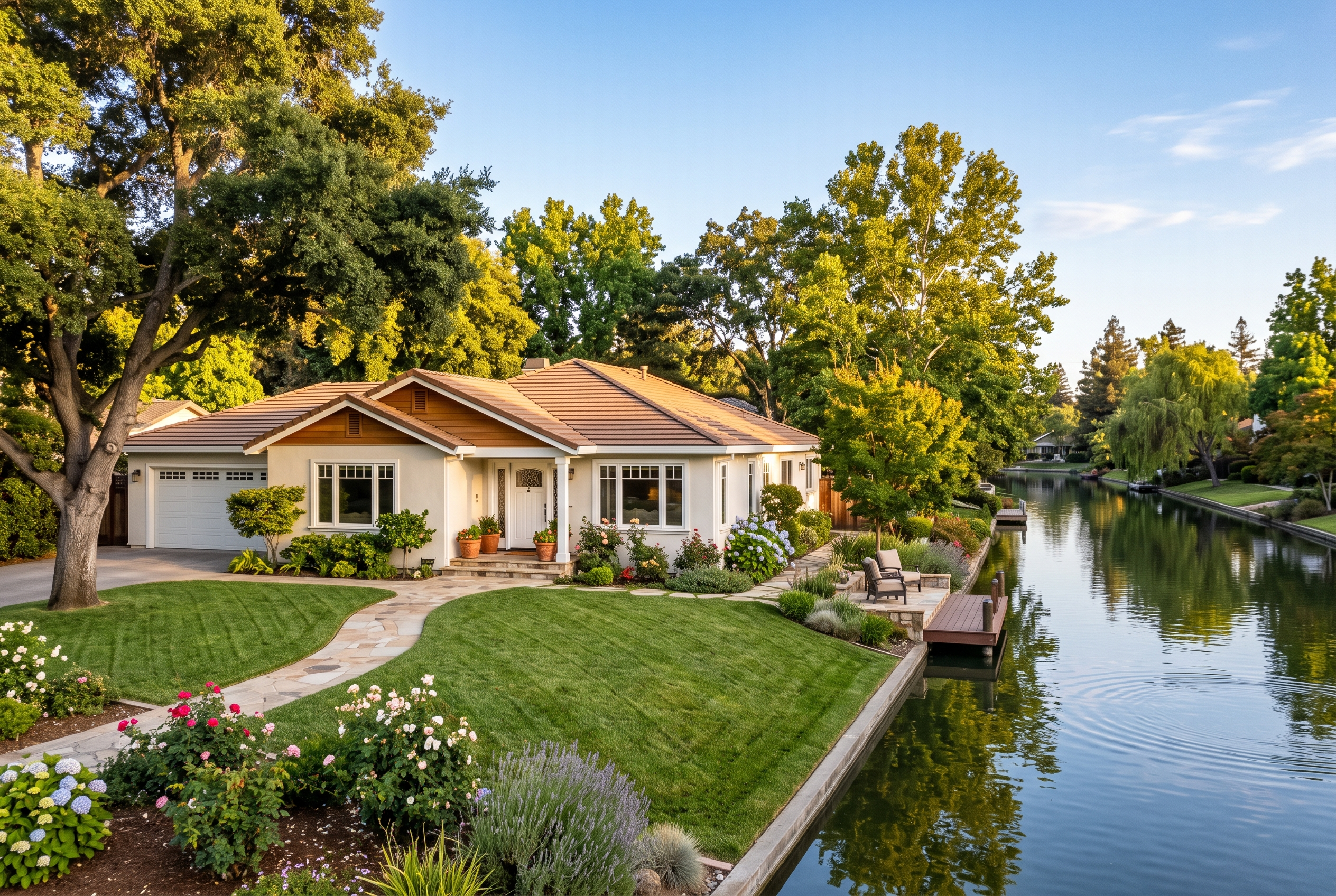
You will not find one dominant architectural era here the way you might in a subdivision built out over a few years. Woodbridge housing stock includes older homes, ranch-style properties, custom builds, and homes that have been added to over decades.
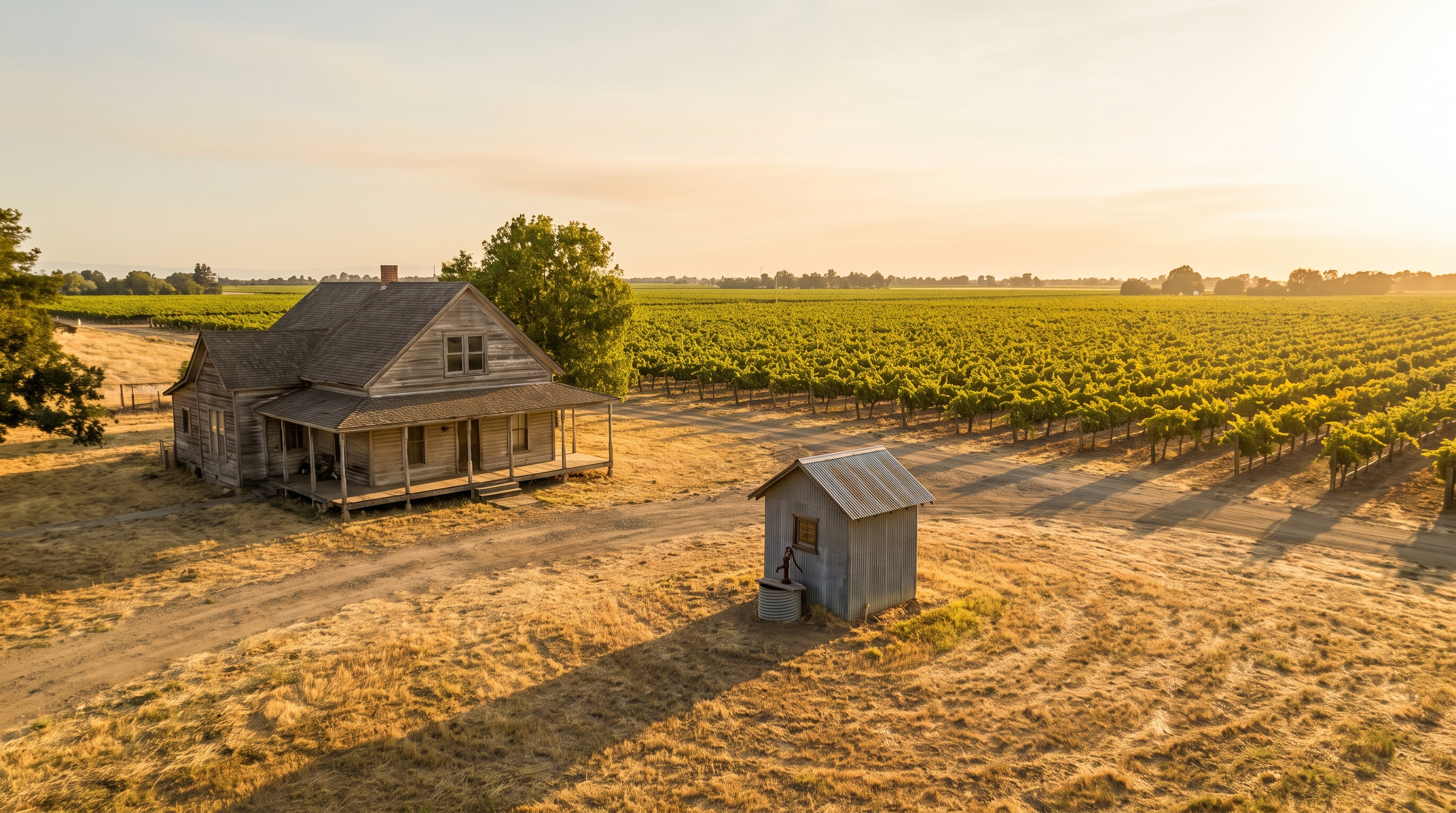
That mix is part of the appeal, and it changes your inspection priorities. With older and custom homes, pay close attention to the roof, the foundation, the electrical panel and wiring, plumbing, windows, and any addition or conversion that may have been done without permits. Unpermitted work is not automatically a deal breaker, but you want to know about it before closing rather than after, because it can affect insurance, financing, and what you are able to do later.
Ask for permit history. Ask what has been replaced and when. A well maintained older home can be an excellent buy. An older home where nothing has been touched in thirty years is a different proposition at the same price.
Well and septic are the big one
This is the item that most often catches buyers moving from a city neighborhood. Many Woodbridge properties are on a private well and a septic system rather than municipal water and sewer. That means you own them, you maintain them, and you replace them.
Before you commit, get the well tested for both water quality and flow rate, and get the septic system inspected by someone who does that work specifically, not as an add-on to a general home inspection. Ask how old each system is, when the septic was last pumped, and whether there are records. Understand where the leach field sits, because it constrains what you can build or park on.
Budget for ongoing maintenance rather than treating it as a one-time cost. Owners who plan for it rarely find it burdensome. Owners who do not plan for it find it stressful. I have written this up in more detail in my guide to rural and semi-rural Woodbridge properties, wells, septic, and acreage.
Financing and insurance can work differently
Properties with significant acreage, agricultural zoning, or unusual outbuildings sometimes do not fit a standard conforming loan neatly. That does not mean they cannot be financed. It means you want a lender who has actually done rural and acreage properties in San Joaquin County, and you want that conversation early rather than two weeks before closing.
The same applies to insurance. Get a quote during your contingency period, not after. Rural properties, older homes, and outbuildings can all affect what a carrier will write and at what price.
What the area gives you in return
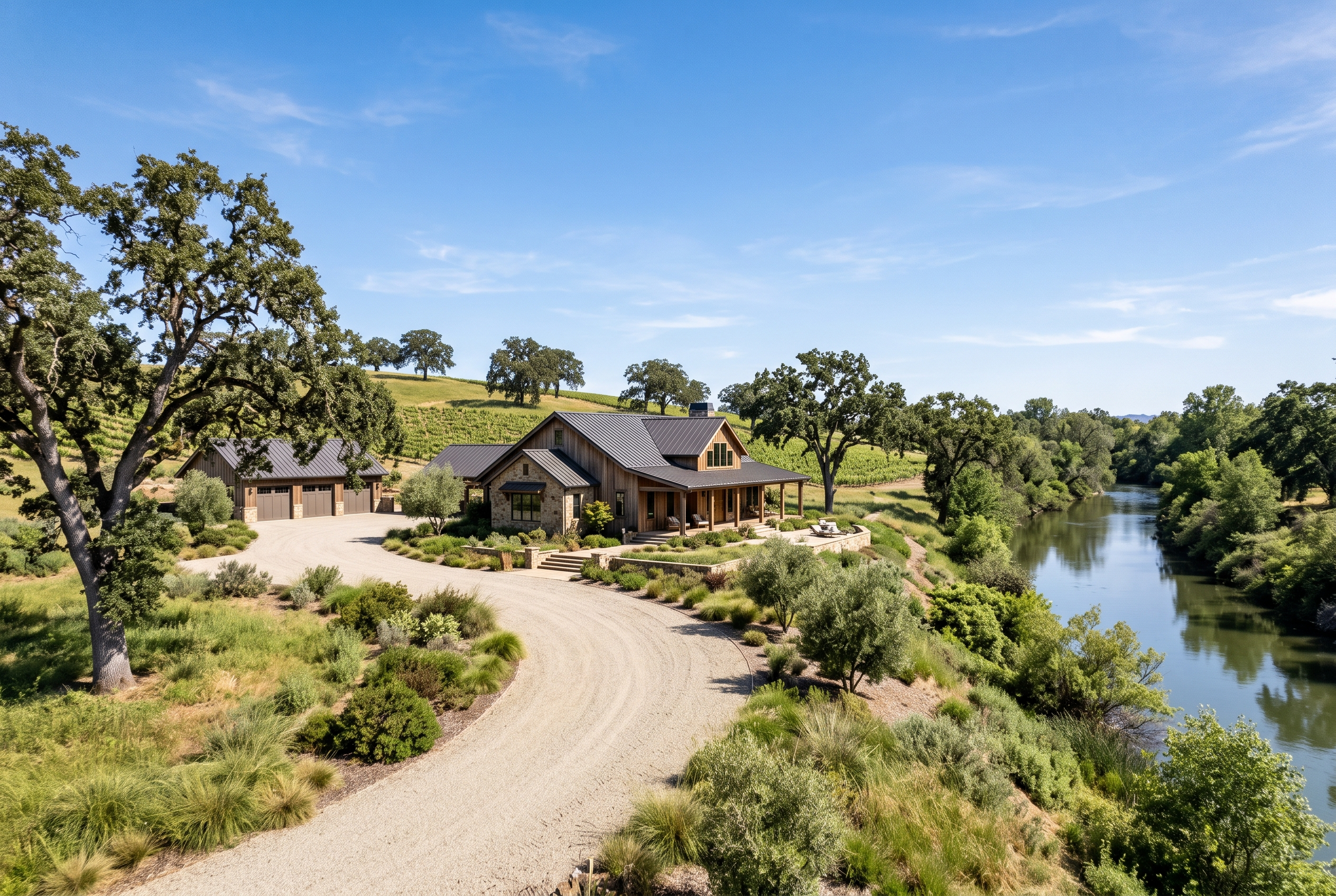
All of that diligence buys something specific: space, quiet, and a setting most buyers cannot get inside city limits. Woodbridge sits along the Mokelumne River, surrounded by Lodi wine country, and the Census Bureau puts the population around 4,140 (U.S. Census Bureau, ACS 2024). It is small on purpose, and that is why people choose it.
If you want a sense of the day to day rather than the transaction, start with whether Woodbridge is a good place to live, which covers the lifestyle side properly. The wine country side of living here and living near the Mokelumne River fill in the rest.
Schools and commute, briefly
Woodbridge is generally served by Lodi Unified School District, but the assigned school depends on the specific address rather than the community, and boundaries change over time. Confirm the current assignment for any address with the district directly if schools factor into your decision.
For commuting, Highway 12 is the main connector west and Highway 99 is a short drive for trips north or south. Bay Area commuters should test the Altamont Pass at their real departure time before committing, since that stretch dominates the drive. The details are in what the commute is like from Woodbridge to Sacramento and the Bay Area.
A practical buying checklist
Before you write an offer on a Woodbridge property, know the answers to these:
- What does county zoning allow on this parcel, specifically?
- Is it on a well and septic, and what condition are they in, verified by the right inspectors?
- How much of the acreage is usable for what I want to do?
- What is the permit history, and is any addition or conversion unpermitted?
- Will my lender and my insurer write this property, and at what cost?
- What is the assigned school for this exact address, confirmed with the district?
Get those six answered and you will have a clear picture. Skip them and you are buying on assumptions, which is where rural purchases go wrong.
Woodbridge rewards buyers who do the homework. The properties that look complicated on paper are often the ones worth having, provided you know exactly what you are taking on.
Frequently Asked Questions
What size lots are typical in Woodbridge? There is no typical lot. Parcels range from ordinary residential sizes to properties with substantial acreage, and they vary street to street. Always check the specific parcel rather than assuming an area norm.
Do I need a special loan to buy a Woodbridge property? Not always, but acreage, agricultural zoning, or unusual outbuildings can complicate a standard conforming loan. Talk to a lender experienced with rural San Joaquin County properties early in the process.
How do I check what I am allowed to build or keep on the land? Woodbridge is unincorporated, so San Joaquin County governs zoning and land use. Confirm permitted uses for that exact parcel with the county before you make an offer, and do not rely on what a neighbor appears to be doing.
What inspections should I get beyond a standard home inspection? If the property has a well and septic, get the well tested for water quality and flow and get a dedicated septic inspection. Consider a pest inspection and, for older or altered homes, a closer look at any addition or conversion.
Are Woodbridge homes older than homes in Lodi? The housing stock is more mixed, including older homes, ranch properties, and custom builds of varying ages. Age varies by property, so evaluate each home on its own condition and permit history.
Is buying in Woodbridge harder than buying in town? It involves more verification, mainly around zoning, wells, septic, financing, and insurance. It is not harder so much as different, and buyers who plan for those steps generally find the process straightforward.
Categories
Recent Posts

GET MORE INFORMATION