Buying a Historic or Craftsman Home in Lodi: What to Know
The older parts of Lodi hold the kind of housing stock that people fall in love with on the first walkthrough: deep front porches, tapered columns, built in cabinetry, real wood floors, and trim nobody would pay to reproduce today. If you have been touring newer subdivisions and then stepped into a well kept Craftsman near downtown, you already know the feeling.
The purchase is different from a standard one, though. Not harder exactly, but different, and the buyers who do well are the ones who go in knowing which questions belong to an old house.
What you are actually looking at
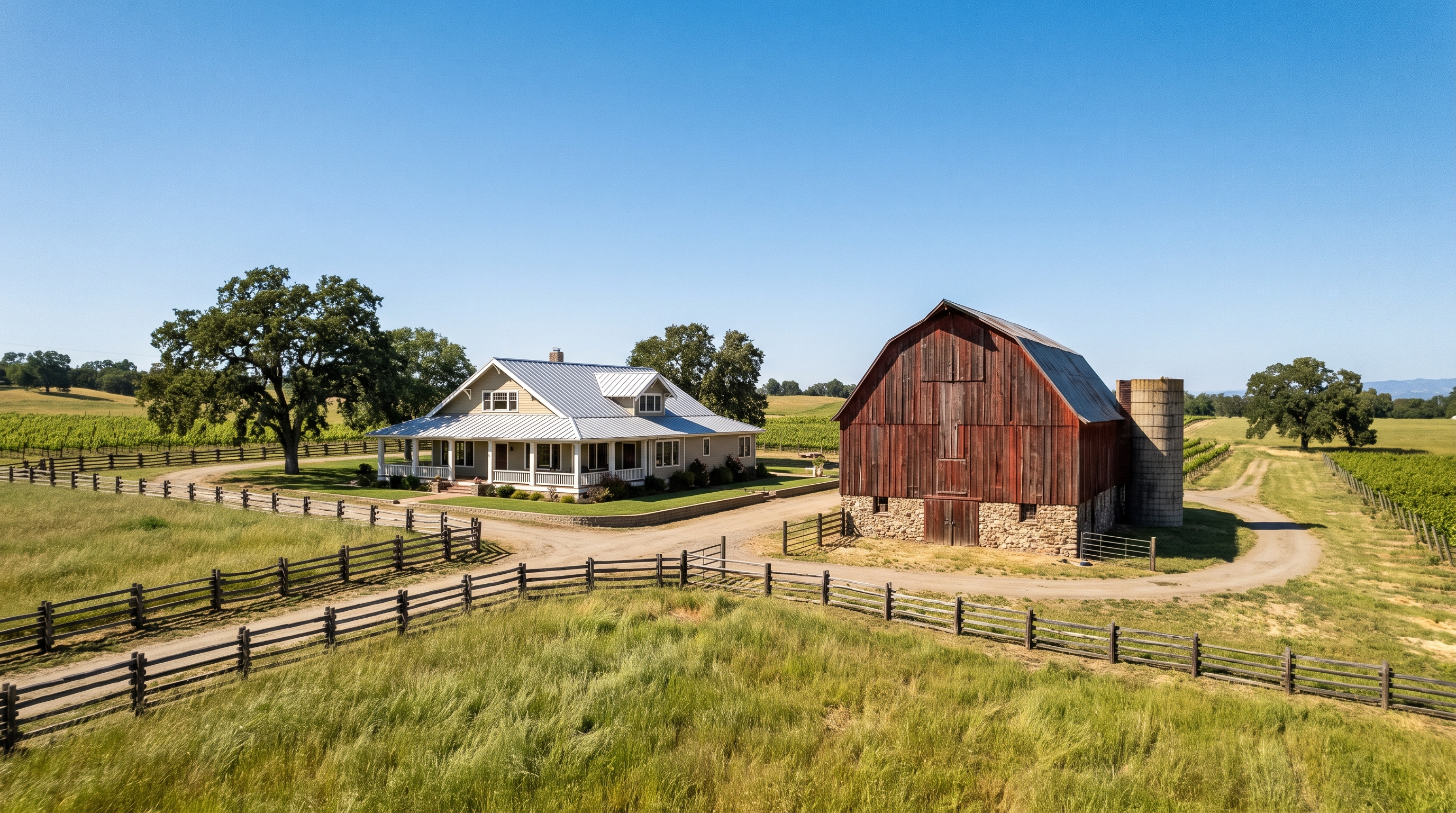
Craftsman describes an architectural style from the American Arts and Crafts movement, most common in homes built in roughly the first three decades of the twentieth century. The hallmarks are low pitched roofs with wide eaves, exposed rafter tails or brackets, a prominent front porch with substantial columns, and an interior that emphasizes built in woodwork and natural materials over ornament.
"Historic" is a separate idea and it is worth keeping the two apart. A home can be old and beautiful without carrying any official designation, and designation is what determines whether anyone gets a say in what you do to the outside. More on that below.
Lodi's older neighborhoods, particularly the established parts of town closer in, are where this housing concentrates. The general lay of the land is in the best neighborhoods in Lodi and, for the older east side specifically, buying a home in East Lodi's established neighborhoods.
The inspection list an old house deserves
A standard home inspection is a starting point here, not a finish line. I would budget for specialists and for a longer inspection period. The items that matter most:
Electrical. Older homes may still have some original knob and tube wiring, or a patchwork of eras behind the walls, and panel capacity is often well below what a modern household draws. Have an electrician look, not just the general inspector. This one also affects insurance, which I will come back to.
Plumbing and the sewer lateral. Galvanized supply lines corrode from the inside and cast iron drains fail eventually. Get the sewer lateral camera scoped. Old laterals and mature street trees are a well known pairing, and root intrusion is much cheaper to find before closing than after.
Foundation and seismic condition. Many homes of this vintage sit on a raised perimeter foundation, and older ones were often built without the sill bolting and cripple wall bracing that current practice calls for. A retrofit is a normal, well understood project, but you want to know whether it has been done and what it would cost if it has not.
Roof, windows, and insulation. Original wood windows are frequently worth saving and restoring rather than replacing, both for character and for value. Insulation, on the other hand, is often minimal or absent in walls of this era.
Hazardous materials. Federal law requires sellers of housing built before 1978 to disclose known lead based paint and hazards, provide the EPA pamphlet, and allow you an opportunity to inspect for it. Take that opportunity. Asbestos can also turn up in older flooring, insulation, and duct wrap. Neither is a reason to walk away from a house, and both are reasons to know before you renovate.
Designation, permits, and what you are allowed to change
Before you plan a single exterior change, ask the City of Lodi two things: whether the property carries any historic designation or sits within a district subject to design review, and what the permit path looks like for the work you have in mind.
If the answer is that nothing applies, you have an old house and ordinary permit rules. If some designation does apply, exterior changes may need review, which is not a bad thing but is a real constraint on timeline and on choices like windows, siding, and roofing.
While you are asking, ask whether the City participates in the Mills Act. That is a California program under which participating cities can offer a reduced property tax assessment to owners of qualifying historic properties in exchange for a commitment to maintain and preserve them. Participation is a local decision, so the only correct answer comes from the City rather than from me or from a listing. If it applies and the property qualifies, it changes your carrying cost meaningfully. For the general tax picture, see what property taxes are like in Lodi and San Joaquin County.
Insurance and financing, early
Call an insurance agent during your inspection period, not after you are in contract and out of time. Older wiring, older plumbing, and older roofs all affect what carriers will write and at what price, and some carriers simply have less appetite for homes of this age. Ask specifically about replacement cost, because reproducing original millwork and plaster is not the same as rebuilding a tract home.
On the lending side, if the home needs work, ask your lender about renovation financing rather than assuming you will pay cash for the projects. Appraisal can also be its own conversation, since character homes are less standardized than tract homes and the comparable sales require more judgment.
Living in one, in this climate
Two practical notes for the Central Valley specifically.
Summer heat is the real test of an old house. Original construction predates central air, and while most have been retrofitted, the retrofit is not always well done and the wall insulation is often still missing. Ask how the house performs in July, look at the ducting, and look at the attic. Deep porches and mature shade trees genuinely help, which is part of why these homes were built the way they were. More on the seasons in living in Lodi through the seasons.
The other note is the upside. These neighborhoods tend to be the walkable ones, close to downtown, on streets with sidewalks and canopy. If that is what you want out of daily life, it is a genuine reason to choose an older home over a newer one. See the best Lodi neighborhoods for walkability and downtown access.
The honest tradeoff
An older home asks more of you. There is more maintenance, more research before each project, and more moments where the correct repair is the more expensive one because the cheap version would damage something you cannot get back.
What you get is a house nobody is building anymore, in the most established part of town, with details that hold their appeal through every design cycle. Owners who went in understanding the deal are, in my experience, the most satisfied buyers I work with. Owners who expected a newer home with better trim are the ones who struggle.
The short version
Inspect deeper than usual and hire specialists for electrical, sewer, and foundation. Take the lead paint disclosure seriously. Ask the City about designation, design review, and whether the Mills Act applies here. Get insurance quotes early. Plan for summer heat. Then buy the house, because the ones that have been cared for are worth caring for.
Frequently Asked Questions
What is a Craftsman home? It is a style from the American Arts and Crafts movement, most common in homes built in roughly the first three decades of the twentieth century. Typical features include a low pitched roof with wide eaves, exposed rafters or brackets, a deep front porch with substantial columns, and extensive built in woodwork.
What should I inspect on an older Lodi home? Go beyond a general inspection. Have an electrician evaluate the wiring and panel, have the sewer lateral camera scoped, and have the foundation and seismic condition assessed. Also look closely at the roof, the windows, and whether the walls have any insulation.
Does the seller have to tell me about lead paint? For housing built before 1978, federal law requires sellers to disclose known lead based paint and hazards, provide the EPA pamphlet, and give you an opportunity to inspect for it. Use that opportunity, especially if you plan to renovate.
Is an older home harder to insure? It can be. Older wiring, plumbing, and roofs affect which carriers will write a policy and at what price. Get quotes during your inspection period, and ask specifically how replacement cost is calculated for original millwork and plaster.
Can I remodel a historic home however I want? Not always. If the property carries a historic designation or sits in a district with design review, exterior changes may require approval. Ask the City of Lodi about the specific property before you plan windows, siding, or roofing work.
Are older homes harder to cool in Central Valley summers? Often, yes. They were built before central air, and wall insulation is frequently minimal even when cooling has been retrofitted. Ask how the house performs in July, and inspect the ducting and the attic rather than assuming the system is adequate.
Categories
Recent Posts




GET MORE INFORMATION